
Smart Food Choices for Everyday Heart and Circulation Support
Nutrition is one of the foundations of general wellness, and everyday food choices can play a meaningful role in supporting heart and circulation health. For many people, the goal is not to follow a strict or trendy plan, but to build a balanced eating pattern that can be maintained over time. A practical and sustainable approach to nutrition is often more useful than extreme restrictions.
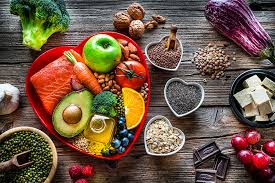
A helpful place to begin is with meal balance. Meals that include a mix of vegetables, whole grains, protein sources, and healthy fats can support steady energy and encourage more thoughtful eating habits. Vegetables provide fiber and important nutrients, while whole grains may fit well into a balanced routine when chosen in appropriate portions. Protein-rich foods, such as fish, eggs, legumes, yogurt, tofu, or poultry, can help make meals more satisfying. Healthy fats from foods like olive oil, nuts, seeds, and avocado can also be included as part of a varied diet.
Many people looking to support vascular wellness benefit from paying attention to highly processed foods. Packaged snacks, fast food, and heavily salted convenience meals may be easy to rely on during busy periods, but frequent use can make it harder to maintain a balanced nutrition pattern. Preparing simple meals at home more often can help with portion awareness and ingredient control. Even basic home cooking, such as soups, grain bowls, roasted vegetables, or grilled proteins, can support better day-to-day eating habits.
Salt intake is another topic that often comes up in discussions about heart-supportive nutrition. Many packaged foods contain more sodium than people expect, including breads, sauces, canned items, deli products, and frozen meals. Reading labels and choosing lower-sodium options when possible may be a practical step for people who want to build more mindful eating habits. Flavor can still be maintained through herbs, garlic, lemon juice, pepper, and other seasonings.
Fiber is often associated with digestion, but it is also an important part of a balanced eating pattern. Foods such as oats, beans, lentils, vegetables, fruits, and whole grains can help create satisfying meals and snacks. Instead of focusing on one “superfood,” it is usually more effective to include a range of minimally processed plant foods across the week.
Hydration also belongs in the nutrition conversation. It is easy to overlook daily fluid intake, especially when routines are busy. Water is usually the simplest choice for regular hydration. For those who often consume sugary drinks, gradually replacing some of them with water, sparkling water, or unsweetened beverages may be a useful adjustment.
Meal timing and eating environment can influence nutrition habits too. Eating in a rushed or distracted state often leads to less awareness of hunger and fullness cues. Sitting down for meals, chewing slowly, and reducing screen distractions may support more mindful eating. Small behavior changes like these can make healthy routines feel more manageable and less forced.
It is also worth remembering that nutrition does not need to be perfect to be helpful. People often make more progress when they improve what they eat most of the time rather than trying to eliminate entire food groups without a clear reason. A balanced plate, regular meal rhythm, and more whole foods can form a solid base for long-term wellness.
In the end, smart food choices for vascular support are usually simple: more real food, more fiber-rich ingredients, more home-prepared meals, and less reliance on highly processed options. This kind of steady approach can fit many lifestyles and may support broader health goals in a realistic and sustainable way.